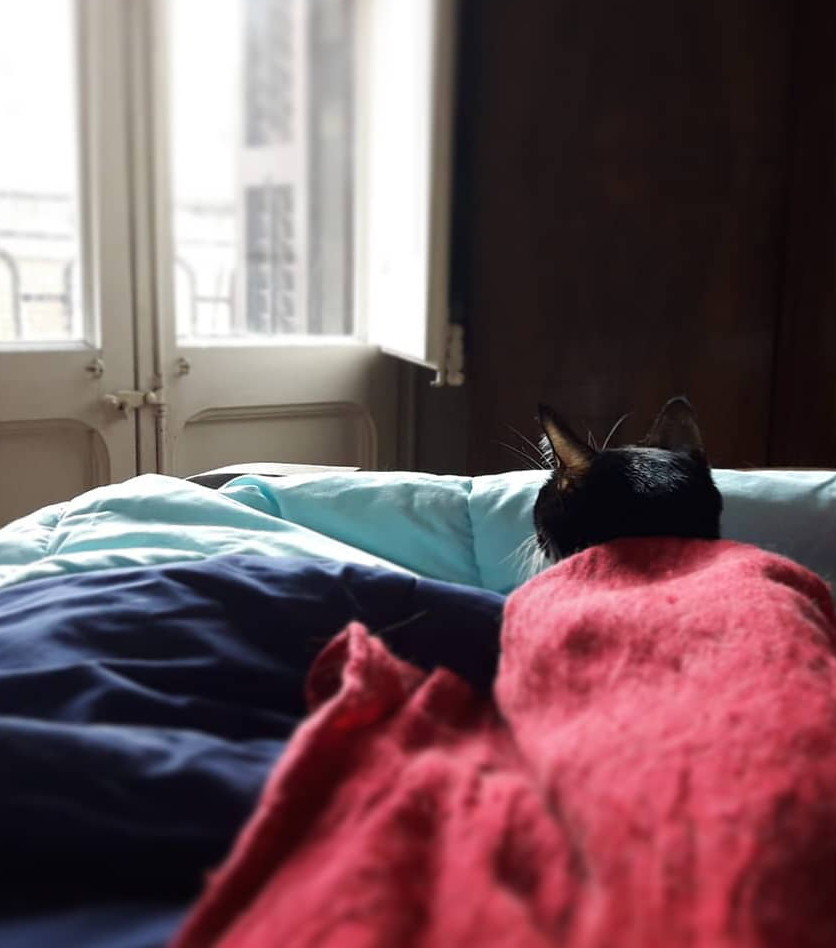
Ayer poco antes de mediodía eutanasiamos a nuestra gata mayor, "Panterita." La veterinaria que le cuidaba vino a casa y le administró un cocktail hipnótico/anestésico. Nos dio un buen maullido cuando la inyectaron, la primera vez que la había escuchado gritar así en varios días. Luego se bajó de la cama y fue hacia la puerta de la habitación. Me senté en el suelo con ella y la tomé en brazos, se quedó tranquila, y se fue relajando poco a poco, en un par de minutos se estaba quedando dormida. Mi esposa la cogió en brazos y la puso delicadamente sobre un empapador en la cama, donde la veterinaria le puso una segunda inyección. Sus pupilas se fueron dilatando, su respiración se fue haciendo más lenta, hasta que se detuvo. La auscultaron y su corazón se había detenido. Era el mediodía del sábado 10 de noviembre de 2018.
* * *
Cuando era niño, veía un programa de humor muy popular en Chile, se llamaba el "Jappening con Ja." En él uno de los gags más recurrentes era ver la misma situación o actividad realizada por una familia rica y por una familia pobre, como una comida juntos o un viaje. Lo cómico resultaba del contraste de la situación, también del la forma de hablar y las palabras que marcan distintas clases en Chile. Uno de los que más recuerdo era un viaje, y la familia rica viajaba en avión, algo que a mí me quedaba muy lejos (mi primer viaje en avión fue a los 15 años). La mujer de la familia llevaba en el avión a su perrito, algo de lo que todos nos reíamos como lo máximo del lujo y el acomodo, como una mujer adulta pagando un pasaje para ir con su muñeca favorita.
No es que para mí los animales fuesen "algo," para mí eran un "alguien," pero en un sentido muy distante y difuso. Entendía que uno pudiese ponerle nombre a un perro o a un gato, veía que al menos los perros respondían a su nombre, pero no iba mucho más allá de eso. Había muchos perros vagos en mi pueblo, Rengo, y les tenía miedo, especialmente cuando iba en bicicleta. Los animales me parecían ruidosos, sucios, impredecibles, y peligrosos.
 Por lo mismo, en el 2000 a los 23 años cuando me fui de casa de mi madre a vivir con mi novia de entonces que hoy es mi esposa, Fabiola, le dije que pensaba que era fácil vivir conmigo, que no había "reglas" que yo quisiera imponer, solamente acordamos mutuamente no fumar dentro del apartamento y yo le pedí que no tuviésemos animales, a lo que ella accedió.
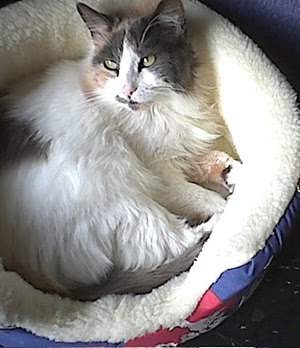
Pocas semanas después Fabiola encontró una gata tricolor que andaba por el barrio, parecía domesticada pero estaba abandonada o perdida. Fabiola la comenzó a alimentar en la calle, todos los días en la mañana o en la noche. Yo le recordé que no quería vivir con animales. Sin que yo me enterara, la comenzó a hacer dormir en casa, la entraba después de que yo me iba a la cama y la sacaba antes de que yo me despertara. Un día llegué a casa y las encontré a las dos, peinaditas y lindas en el sofá. Quería decir que no, pero no pude. La adoptamos y la llamamos "Rinrin" por el ruido que hacía al ronronear.
* * *
Nunca pensé que la gente que la adscribía una personalidad distinta a cada gato estuviera loca, pero tampoco que era algo lógico. Pensaba lo mismo que pienso de la gente que cree en dios, que ven ciertas señales y las interpretan de la forma que les resulta más cómodo interpretar. Que proyectan en los animales sus propias ganas de interactuar con alguien más complejo que un perro o un gato. Que los únicos que tienen una personalidad son los humanos.
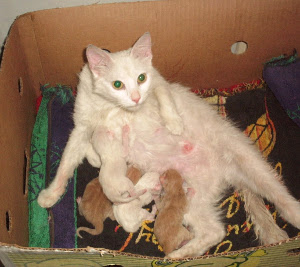 Dos años después de adoptar a "Rinrin," volviendo a casa de comprar comida para llevar vimos una gata cubierta de barro, con frío, con hambre. Pensé que era injusto que nosotros tuviésemos comida y ella no, y siendo que le había dado mil vueltas a la anterior adopción, esta fue inmediata. La limpiamos y le dimos de comer y la recuperamos hasta que se puso fuerte y descubrimos que venía embarazada. La llamamos "Mutter," porque estábamos estudiando alemán, nuestro sueño entonces era vivir en Alemania. Cuando sus gatitos estuvieron fuertes los dimos en adopción a familias que los quisieran mucho.
De vivir con Rinrin y Mutter entendí finalmente lo de las personalidades de los gatos. Rinrin era mayor pero también menos dada a moverse y a jugar, no le gustaba ensuciarse ni mojarse la más mínima parte del cuerpo, en invierno caminaba en punta de pies por el patio para no ensuciarse las patas. Mutter era más juguetona, le gustaba trepar árboles, revolcarse en el césped. A ambas les gustaba estar con nosotros, pero cada una tenía su propia distancia, sus propios tiempos. Ambas tenían un comportamiento complejo, coherente, persistente. Una personalidad.
Vivieron muchos años con nosotros, luego cuando emigramos a Europa, que no fue para vivir en Alemania sino en Barcelona, ambas fueron a vivir al campo a casa de los papás de Fabiola. Rinrin era la regalona de mis suegros, a él se le subía a la espalda, tomaba sol en una parra, les acompañaba en el invierno en su habitación, fue feliz allí hasta que murió de viejita. Mutter también era la regalona pero por otros motivos, era fiera cazando ratones lo que tenía a mi suegro muy contento. Alguien la mató cruel e innecesariamente con carne envenenada, cuando ya era bastante adulta. Mi suegro enterró a ambas en su patio.
* * *
Cuando llegamos a Barcelona en el 2005 vivimos en el antiguo ghetto judío, el barrio del Call en el centro del barrio Gótico, cerca de la plaza del ayuntamiento. Allí un día, pocas semanas después de llegar Fabiola encontró una gatita comiendo papas fritas que algún turista le había dejado. La subió a nuestro apartamento, junto a un cajón de algún escritorio que alguien había tirado, que fue su primer arenero.
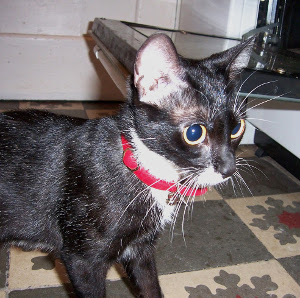 Panterita era pequeña no sólo de edad sino también de tamaño. No sé si su mamá no comería lo suficiente, o si era simplemente una variación normal entre los gatos, pero siempre fue muy pequeña. Su juguete favorito era un trozo de cordel atado a un cascabel. Su segundo juguete favorito eran conchas que recogíamos en la calle. También cuando encontrábamos una pluma se la llevábamos, les gustaba marcar con su morrito todo lo que veía.
En el mismo año nos movimos a Roma y jamás pensamos en dejar a Panterita atrás. A estas alturas ya entendía que uno se mueve con su gato porque hay una relación entre dos personas, una humana y una no-humana, que es una relación simétrica en algunos aspectos y asimétrica en otros, y que el humano no debe cortar la relación unilateralmente.
Para ahorrar dinero nos trasladamos en el transbordador Barcelona - Civitavecchia En ese momento no lo sabíamos, pero sería uno de los tres viajes que Panterita haría en barco. Le hicimos su pasaporte veterinario en una época en que recién comenzaba a implantarse el sistema, llevaba su foto y la gente del barco se llamaba entre ella para ver el pasaporte de una gata. Su pasaje, la mitad de un pasaje de humano, ponía "Gatto Gatto."
* * *
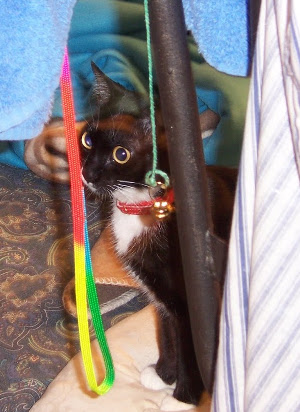 En Roma vivimos en un apartamento de 16 metros cuadrados durante un año, en Vía Garibaldi, Trastevere, al pie del Gianicolo. A Panterita no le gustó mucho vivir ahí, estaba inquieta, nos mordía bastante. Si dejábamos la puerta abierta escapaba, se iba a meter al apartamento de una señora cascarrabias del mismo pasillo, alguna vez temimos que le diera un escobazo.
Nos visitó mucha gente para ser un apartamento tan pequeño, en algún momento fuimos siete Panterita incluida. Yo también hubiese mordido.
Tontamente pensamos alguna vez que sería buena idea sacarla. Un día domingo temprano la llevamos al Gianicolo y buscamos un lugar relativamente poco transitado donde había césped y le pusimos una correa. Panterita estaba asustada, era un lugar extraño, abierto y expuesto, con olor a calle, a gente, a perro. No fue una buena experiencia para ella, no lo volvimos a intentar.
Fabiola fue voluntaria ese año en Torre Argentina, una de las colonias urbanas de gatos más importantes de Europa. Allí hablando con los turistas y visitantes de la colonia aprendió a hablar italiano, cosa que yo no sabía que podía hacer. La primera vez que la vi hablar italiano me impresionó: habla mucho más alto que en castellano y mueve mucho más las manos.
Un año después tomamos el barco de regreso a Barcelona. Esta vez Panterita estaba más tranquila.
* * *
Vivimos desde el 2006 hasta el 2012 en Barcelona juntos. Siempre me resistí a la idea de tener otro gato, aunque de a poco fui entendiendo más de ellos. Me hice vegano, y le puse un poco más de atención a lo que Fabiola hacía como voluntaria en el Jardinet dels Gats, una colonia de gatos en Barcelona que queda detrás del mercado de la Boquería.
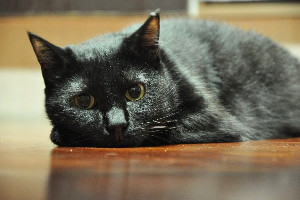 Estando ambos fuera de casa mucho tiempo, no nos gustaba que Panterita estuviese sola y además había muchos gatos permanentemente buscando adopción. En el 2010 le dije a Fabiola que si quería adoptara una gata más, que me gustaría una gata negra porque son bonitas y son las más difíciles de dar en adopción, hay mucha gente supersticiosa.
A la gata que adoptamos en el Jardinet las voluntarias la habían bautizado como "Halli," por la actriz Halle Berry, porque era negra y guapa. La habían recogido en uno de los espigones que había en Barcelona. Ella y Panterita nunca fueron realmente amigas, pero se toleraban y acompañaban de alguna manera. Halli tenía una personalidad más amigable.
Lamentablemente, sus riñones estaban en mal estado, posiblemente por la vida en la calle de varios años que tuvo. Pocos meses después de llegar a vivir con nosotros enfermó gravemente, se escondió debajo de la cama y no quería salir. Nosotros estábamos ambos en Chile cuando eso sucedió, a las gatas las estaba cuidando una amiga. Llegamos un par de días después y la fuimos a ver al veterinario. No había nada que hacer, nos la enseñaron envuelta en una mantita, bastante ida, con un color amarillento en los ojos. La eutanasiamos ese día, lloré como no había llorado en mi vida, por lo breve de nuestra vida juntos, por no haberla adoptado antes, por no haber estado allí cuando estaba enferma, por los otros gatitos viviendo en la calle.
* * *
El mismo año cuando se nos fue pasando la pena de la Halli adoptamos a "Trufa," una gata que vivía con una pareja, ella mexicana, el español, que vivían en Barcelona pero marchaban de vuelta a México. La pareja nos explicó que no podían tenerla allí, que vivirían en casa de los padres de ella y que además de que no querían gatos, cuando habían tenido gatos estos escapaban de casa.
Trufa es una gata grande, no gorda pero larga, poco más y llega al doble de Panterita. Para mí lo más notable es que tiene una personalidad muy diferente a las demás gatas que han vivido con nosotros. Nunca vivió en la calle, no creo que en su vida haya pasado realmente hambre, frío, o experimentado violencia por parte de un humano. Cuando alguien llega a casa Trufa va a saludarle con la cola arriba, en ademán juguetón, se sube a las piernas de la gente que venga y que parezca simpática, y en general es tranquila y sociable.
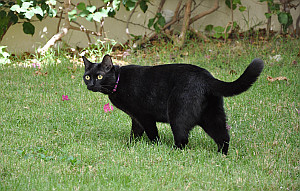 No vivir en la calle nunca tiene una consecuencia, y es que hasta el año 2012 en que nos fuimos a vivir a Qatar, Trufa jamás había estado al aire libre. Todavía la recuerdo con sus ojos desorbitados caminando en puntas de pies sobre esa alfombra verde gigante y desconocida, mascando primero una pequeña brizna de césped, luego otra más grande, luego un montón. Luego vomitando, porque otra cosa que caracteriza a Trufa es comer atarantadamente y vomitar después, por eso les tenemos un comedero en que hay que ir sacando la comida de a poco.
* * *
Los árabes no suelen tener perros, por los cual en Doha vimos algo que en otras ciudades es invisible: gatos callejeros caminando por la calle, con muy poco temor porque los musulmanes tienen prohibido maltratar a los gatos, en parte porque que el profeta Mahoma les tenía un gran cariño. Un hadith muy conocido cuenta que Mahoma debía ir a rezar pero un gato estaba tendido sobre su ropa, y él prefirió cortar una manga antes que molestar al gato.
Sin embargo, una cosa es evitarles el maltrato y otra activamente querer a los animales. Algo que me sorprendió una vez fue un amigo que vino a casa, muy buena persona, extremadamente cortés y amigable, le enseñamos muestras gatas y le dije llámala, él la llamó como se llama a los perros o a los gatos con pssst, pssst, pero le dije, llámala, Panterita, y eso no quiso hacerlo. No insistí, fue sólo un momento, no se debe acordar, pero para él llamar a un animal no humano por su nombre era demasiado, me trajo de vuelta a décadas atrás cuando veía por la tele a la mujer viajando en avión con su perrito, entendí que todavía había gente que pensaba de ello lo que yo pensaba de ella cuando era niño.
En Qatar vivimos del 2012 al 2015 en una casa enorme para nosotros, de dos plantas, con un patio grande donde Trufa y Panterita iban cuando no hacía demasiado calor y durante la noche. El único problema era el "visitattore" (después de Roma mucho de lo que tiene que ver con gatos para nosotros está en italiano), un gato callejero grande y chungo que se peleaba con nuestras gatas, que entraba a casa a comerse su comida y beberse su agua. Fabiola alimentaba al visitattore, que después supimos se llamaba Jorge, le ponía agua, comida, y algo para protegerlo del calor durante el día. De todas formas seguía peleando ocasionalmente con nuestras gatas, de hecho en el curso de tres años ambas alguna vez tuvieron que ir al veterinario, una por una herida infectada en la espalda y la otra por una mordida en una pata.
* * *
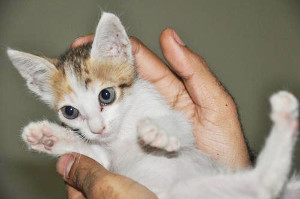 En Doha un compañero de trabajo me contó que había visto en el segundo subterráneo un par de gatos, una madre y su cachorro, y que no sabía qué hacer pero que les gustaría ayudarles. Les puse comida y agua algunos días, pero no conseguí acercarme a menos de tres metros de ellas, eran muy desconfiadas. Días después nos contaron que la gente que trabajaba en el edificio había encontrado a la cachorra, la tenía en una caja de cartón en la sala para empleados del subterráneo. Allí la encontré yo, junto a un platito de curry que le habían dado de comida, y me la llevé a casa.
Le pusimos "Kittycat," y como las gatas de Doha es delgada, con la cara triangular, y muy fiera para su tamaño. La apodamos de hecho "Nagini" (la serpiente en Harry Potter) porque abre su boca casi en 180 grados y ataca y muerde fuerte. Mi intención no era quedarme con Kittycat, sino darla en adopción. Logré darla en adopción, también lloré cuando se fue, y a las dos semanas fui a visitarla donde la habían adoptado. No estaba bien, era un lugar pequeño, con una pareja humana que se peleaba bastante, y había otro gato y se llevaban mal. De común acuerdo con ellos me la traje de vuelta a casa.
Por el camino ella quería estar sobre mis piernas y yo la empujaba para que se sentara al menos en el asiento del copiloto, yo no había llevado jaula ni nada para llevarla porque no pensaba que volvería conmigo, pero creo que ambos queríamos volver a casa en ese momento. Escuchaba un pitido raro en el coche a ratos durante el camino, me costó varios días entender qué era: el sensor para el cinturón de seguridad del copiloto registraba por momentos el peso de Kittycat, pero no tanto como para marcar permanentemente a la pequeñita.
* * *
Kittycat es la más aventurera que hemos conocido. Su territorio era casi toda la manzana, y se solapaba con el territorio de Jorge, con quien se gritaban bastante y peleaban pocas veces. Kittycat trepaba un muro de dos metros corriendo y se perdía durante horas, después costaba un montón entrarla a casa, había que buscarla por el barrio.
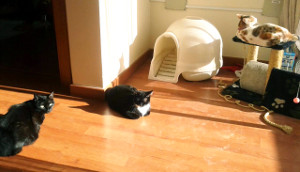 Pensábamos mantenerlas encerradas pero también que no volverían a vivir en una casa si vivíamos en Europa. Trufa, Panterita, y Kittycat tuvieron una vida así juntas, un poco dentro de casa y un poco fuera. Panterita era la más casera, a ella le gusta la comodidad del aire acondicionado. A Trufa le seguía gustando estar en el césped. Kittycat controlaba su territorio y exploraba. Se reunían para comer a la misma hora de nuestra cena, y el resto del tiempo normalmente estaban separadas.
El año 2015 volvimos a Europa, a través de Roma. Era el primer viaje de Kittycat, el segundo de Trufa, y el cuarto de Panterita. Eso se notaba, Panterita sabía que pasaba algo extraño y estaba inquieta, pero menos que las otras. Cuando llegamos a Roma con ellas una pareja de pasajeros italianos las saludó con cariño y le dijo cositas que se les dicen a los gatos a Panterita. Me alegró mucho ese pequeño gesto, en el aeropuerto de Doha otros pasajeros las habían mirado con asco.
* * *
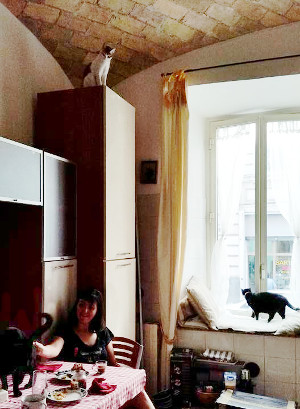 En Roma el departamento era bastante más pequeño así que las gatas tenían que convivir más. En esos meses que pasamos en Roma, Kittycat la gata de Qatar pasó de ser una gata salvaje a ser una gata mucho más cariñosa, casi tanto como Trufa. Conserva su desconfianza pero es mucho menos que antes.
La dinámica era la siguiente: Trufa y Kittycat jugaban a veces juntas, pero nadie se metía con Panterita. Ella era la mayor, pequeña e insegura de su estatus entre otras gatas más jóvenes y fuertes, por lo cual tendía a cuidar celosamente su espacio y mantenerlas a raya. Si se acercaban mucho a ella las perseguía y correteaba para que aprendieran a darle su espacio.
Si venía alguien a casa salía primero Trufa a saludar, luego al rato Kittycat. Panterita rara vez se asomaba hasta que no escuchaba que se cerraba la puerta y se iba la gente extraña, aunque alguna vez nos agració con su presencia, siempre inesperada y bienvenida, como un raro regalo.
* * *
A fines del 2015 volvimos a Barcelona en transbordador, el tercer viaje y final en ferry para Panterita y su quinto viaje en total. La logística de viajar con tres gatas y otras tantas maletas enormes cada uno es tremenda, pero llegar a un lugar conocido es mucho más fácil. Amigos nos fueron a buscar al puerto y nos llevaron a un lugar que ya habíamos encontrado para vivir temporalmente mientras encontrábamos un alquiler de más largo plazo.
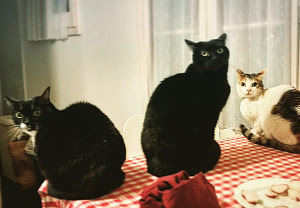 En el apartamento donde vivimos ahora, encontraron cada una su lugar. A Panterita le gustaba estar en el comedor, en alguna silla que estuviese metida debajo de la mesa en un cojín, segura porque le permite dominar lo que sucede abajo y nadie la puede sorprender por arriba. A Kittycat le gusta estar lo más arriba posible y sale a los balcones cada vez que puede. A Trufa le gusta todo, duerme donde sea, a veces incluso en el suelo directamente. Las tres dormían con nosotros, Panterita a menudo en su "huevito," una especie de cesta con forma de huevera donde le teníamos sus mantas favoritas. Cuando estábamos de viaje, Panterita dormía en el armario sobre las ropas de Fabiola. En algún momento cuando hablábamos con nuestras gatas empezamos a referirnos a Panterita como a la abuelita Panterita, a tratarla como un miembro muy mayor de la familia.
La relación entre las tres se mantuvo en lo general, pero fue cambiando lentamente. Panterita empezó a envejecer más y a pesar de que siguió marcando bien su espacio, comenzó a tolerar la cercanía de Trufa, la dejaba que se le acercara e olerle el hocico, y ocasionalmente, muy ocasionalmente, las encontramos durmiendo en la cama espalda con espalda. Ambas hacían como si no se dieran cuenta de ello.
* * *
Cuando volvió de su último viaje, Fabiola encontró a Panterita más delgada que de costumbre. La llevó al veterinario que le hizo pruebas y en base a ellas descubrió que tenía hipertiroidismo, que comenzó a tratarse pero siguió enflaqueciendo. En su segunda visita le hicieron una ecografía donde le detectaron un tumor grande en el pecho, casi ocupando todo un pulmón, y presionando sobre la boca del estómago. Pocos días después dejó de poder comer o beber agua, se acercaba a la comida pero le daba o asco o sabía que no podía comer.
La tuvimos hospitalizada casi una semana, se le hidrató con una vía, se le alimentó con sonda, se le hicieron más pruebas. Había tumores secundarios en su patita y en su cara, y poco más que hacer. Su vida hospitalizada podía prolongarse pero la enfermedad no se curaría. Decidimos pasar los últimos días con ella en casa.
Fabiola la alimentó y le dio agua con una jeringuilla, pero era insuficiente para sus necesidades, caminaba cuando necesitaba ir al baño, pero volvía a la cama agitada. Hacía un ruido raro al respirar, no silbando pero quejándose un poquito, y su voz de maullar y ronronear había cambiado, era más profunda y a veces tosía. Cada pocas horas le inyectábamos analgésicos y antiinflamatorios indicados por la veterinaria que le ayudaban a no sentir tanto dolor y estar un poco mejor. Decidimos que no tenía sentido llegar hasta un final anunciado y posiblemente doloroso.
Fue muy difícil. Al cabo de dos días sin apenas comer y beber, pudimos dormirla en nuestra cama, la cama que compartíamos como una familia humana-gatuna, una familia a la que ahora le hace mucha falta uno de sus miembros. El último momento que estuvimos a solas, Panterita miraba por la ventana.
Barcelona, 11 de noviembre de 2018.